Superbad Index New -
Get yourself one of the most popular Resource Editors out there and tweak your app’s resources, from icons to version data, in just a few clicks.
Resource Tuner — version 2.31 for
 Windows 11/10/8/7/XP.
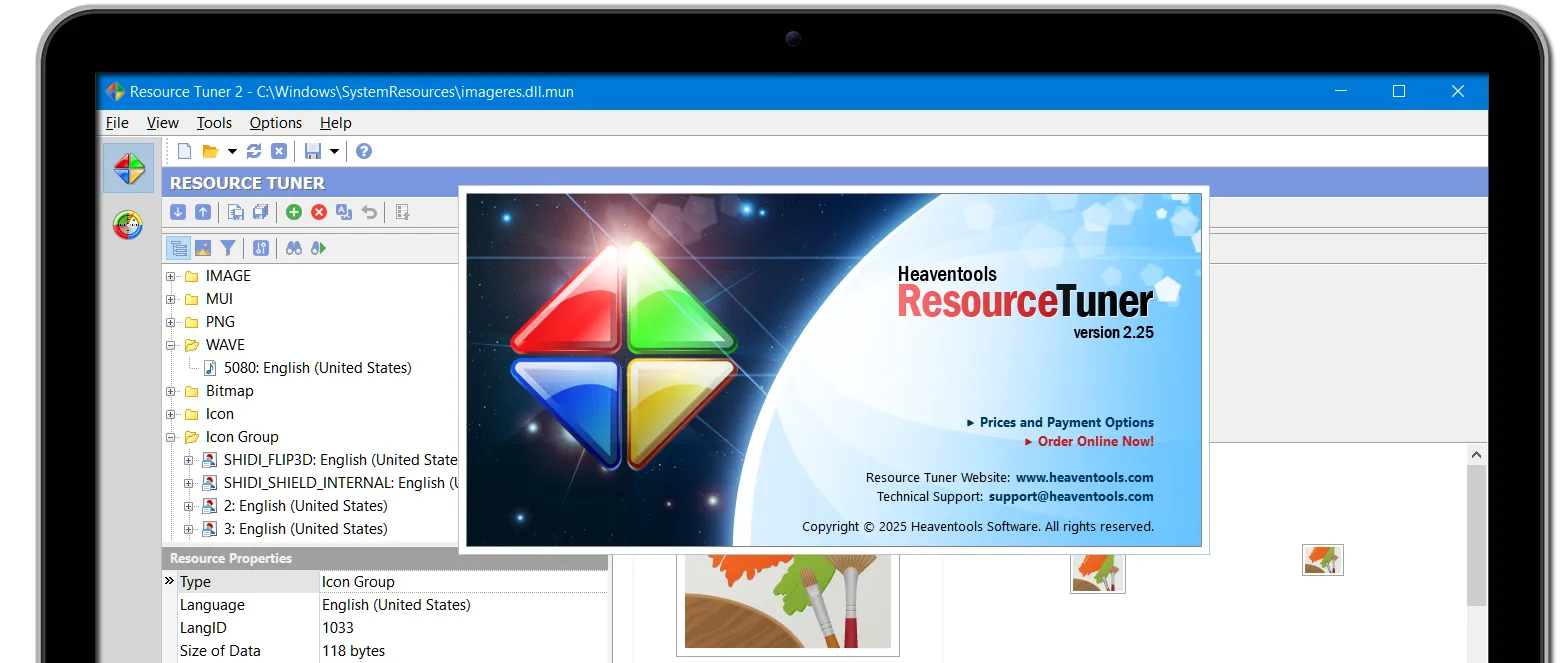
Get yourself one of the most popular Resource Editors out there and tweak your app’s resources, from icons to version data, in just a few clicks.
Resource Tuner — version 2.31 for
Windows 11/10/8/7/XP.
$49.95 per user
The Personal (Home) License allows you to use the program for non-commercial purposes in a non-business, home environment.
One-time payment, no recurring fees.
$89.95 per user
The Business License allows usage of the program in a business, academic, or government environment, applicable to both individuals and companies.
One-time payment, no recurring fees.
Resource Tuner runs on all versions of Windows, including 11, 10, 8, 7, Vista, and XP, and supports both 32-bit and 64-bit systems.
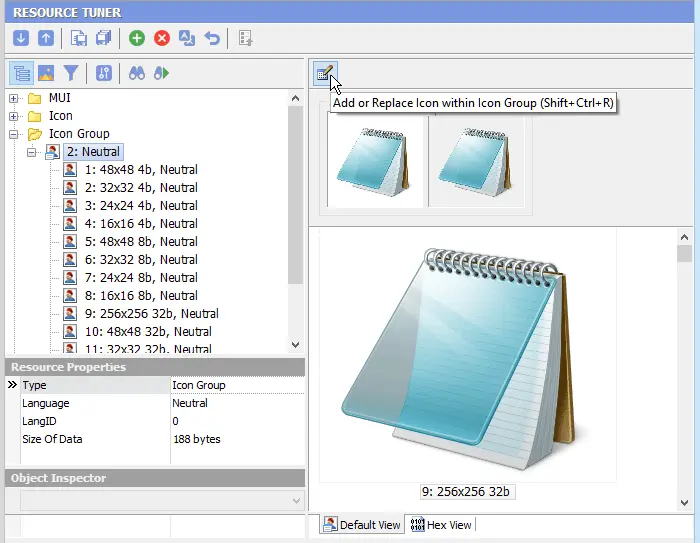
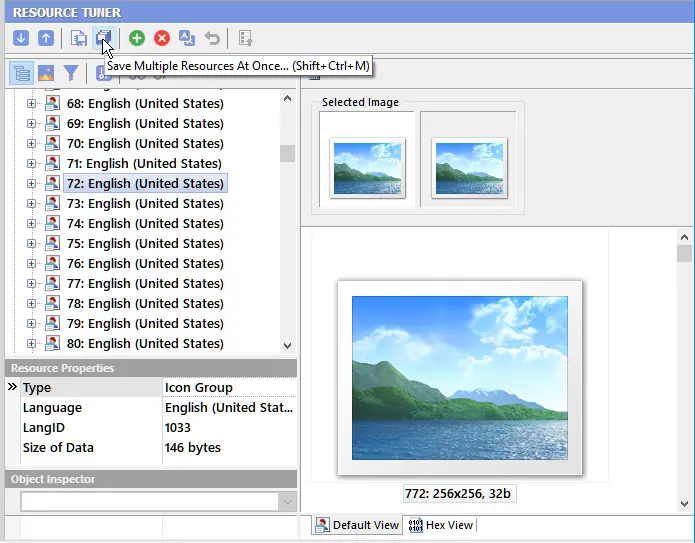
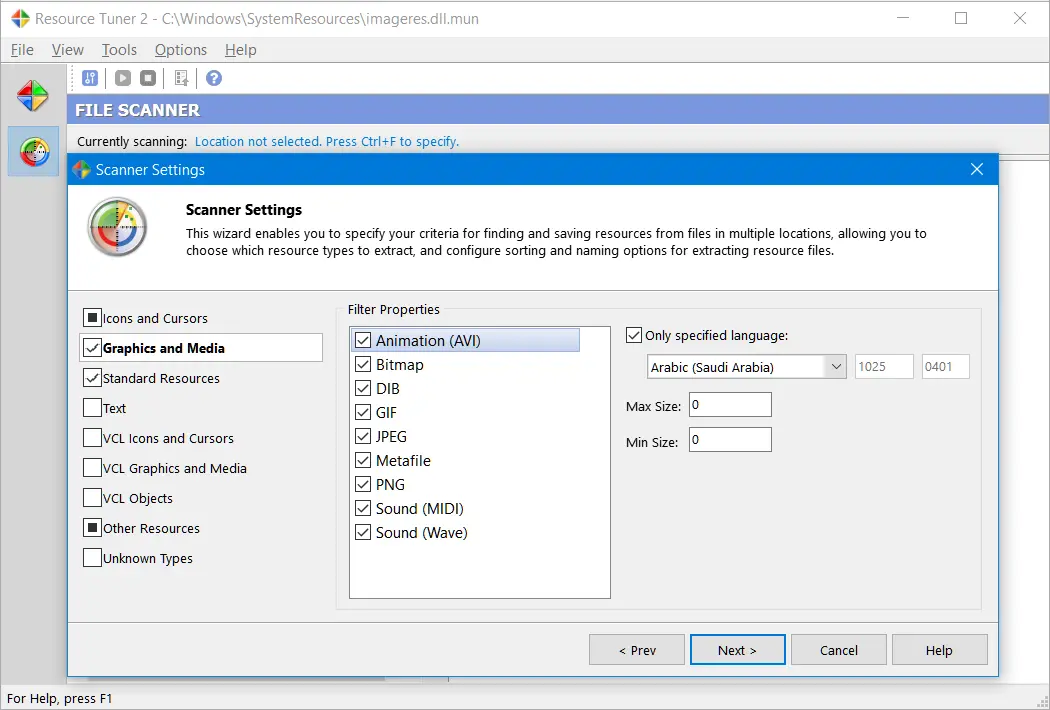
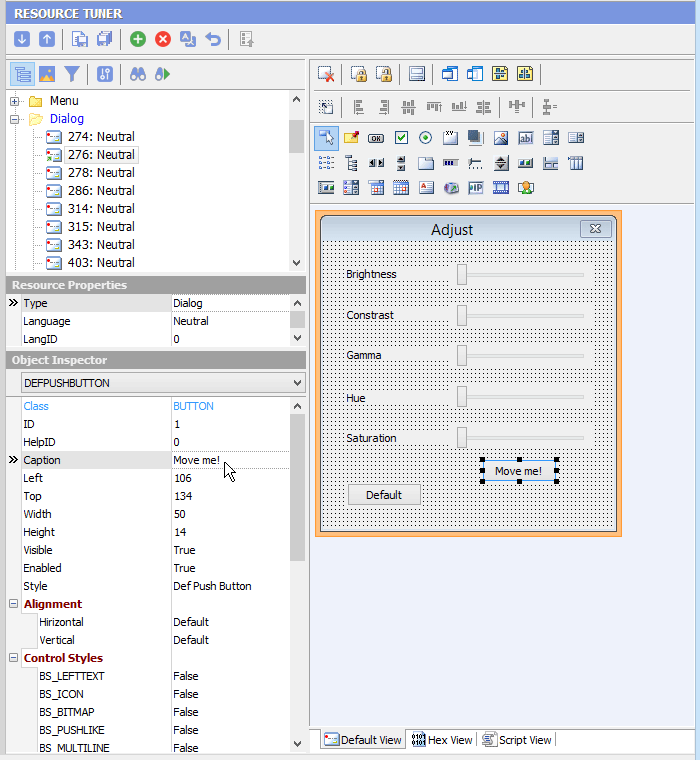
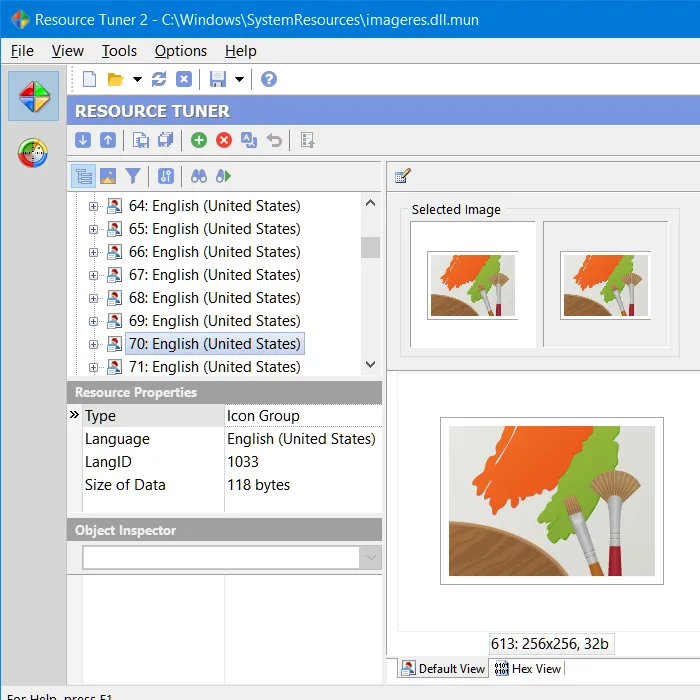
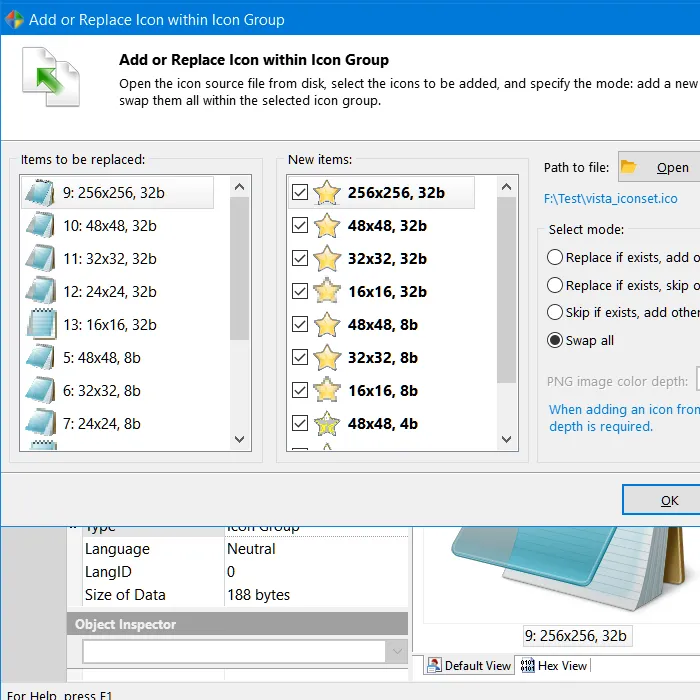
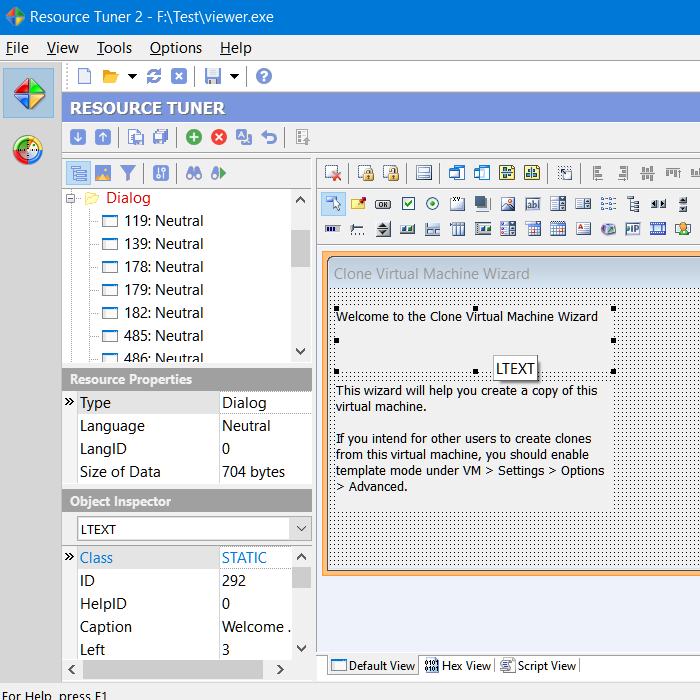
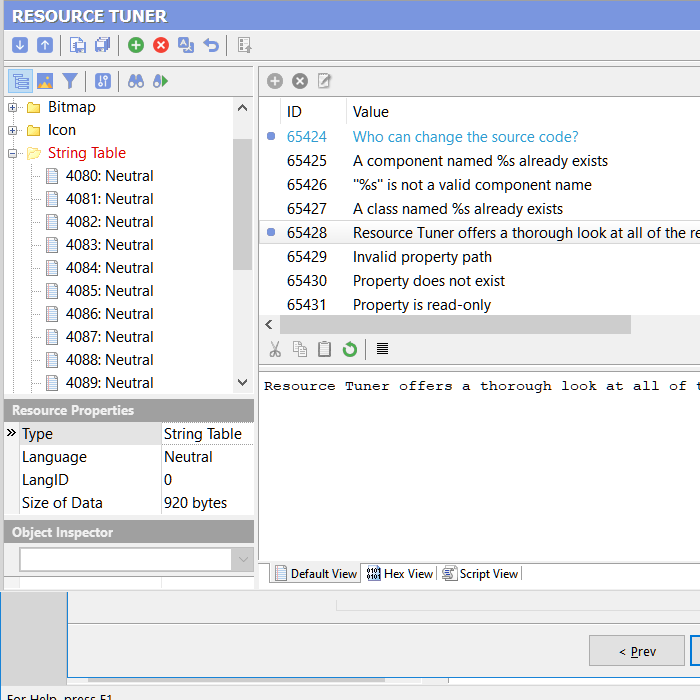
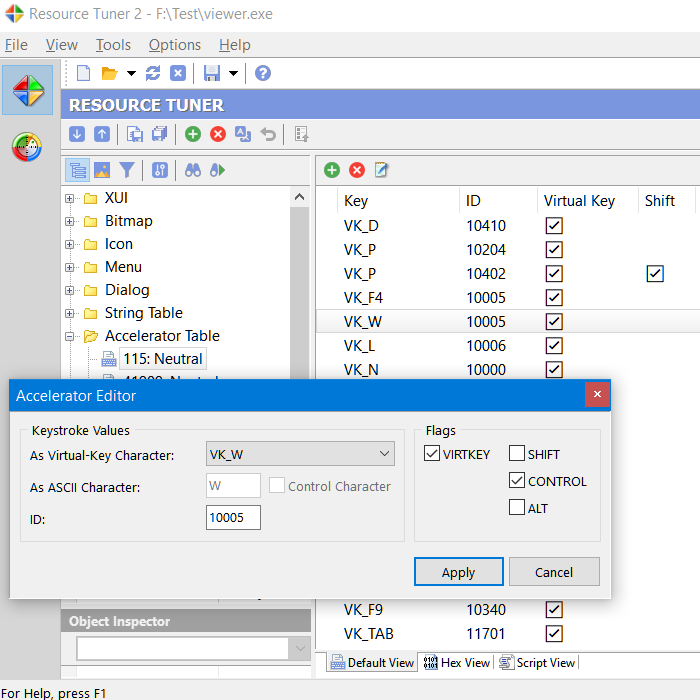
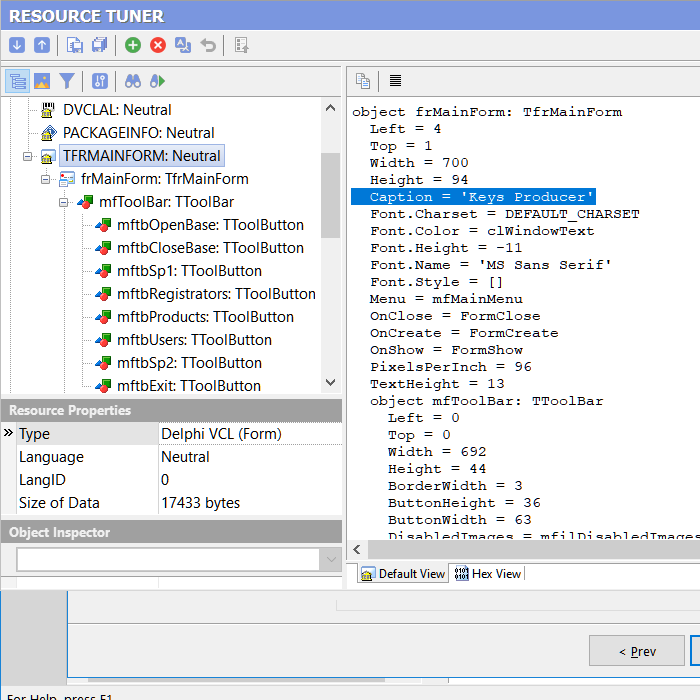
Resource Tuner offers a thorough look at all of the resources (bitmaps, jpeg, icons, strings, dialogs, PNG compressed icons, XML, Image Lists, Type Library, version information) in the compiled executable file, and allows you to make modifications without needing to recompile the source code.
The indicator typically aggregates several classic technical tools to gauge "superbad" (oversold) or "supergood" (overbought) conditions:
It aggregates:
In the ever-evolving lexicon of internet trends and market analytics, few phrases capture the imagination quite like "Superbad Index New." For the uninitiated, the term might sound like a lost sequel to the 2007 coming-of-age classic or a volatile cryptocurrency tracker. However, a deeper analysis reveals that the "Superbad Index New" is rapidly becoming a multi-faceted benchmark used by film archivists, social commentators, and even risk-tolerant investors.
If you are a database administrator, a financial quant, or a software engineer who has stumbled upon this term, you are likely asking: Is it a new type of indexing strategy? Is it a patch for a legacy system? Or is it a cultural reference to a 2007 comedy film?
The indicator typically aggregates several classic technical tools to gauge "superbad" (oversold) or "supergood" (overbought) conditions:
It aggregates:
In the ever-evolving lexicon of internet trends and market analytics, few phrases capture the imagination quite like "Superbad Index New." For the uninitiated, the term might sound like a lost sequel to the 2007 coming-of-age classic or a volatile cryptocurrency tracker. However, a deeper analysis reveals that the "Superbad Index New" is rapidly becoming a multi-faceted benchmark used by film archivists, social commentators, and even risk-tolerant investors.
If you are a database administrator, a financial quant, or a software engineer who has stumbled upon this term, you are likely asking: Is it a new type of indexing strategy? Is it a patch for a legacy system? Or is it a cultural reference to a 2007 comedy film?