Minna No Nihongo Lesson 16 Fukushuu D Answers

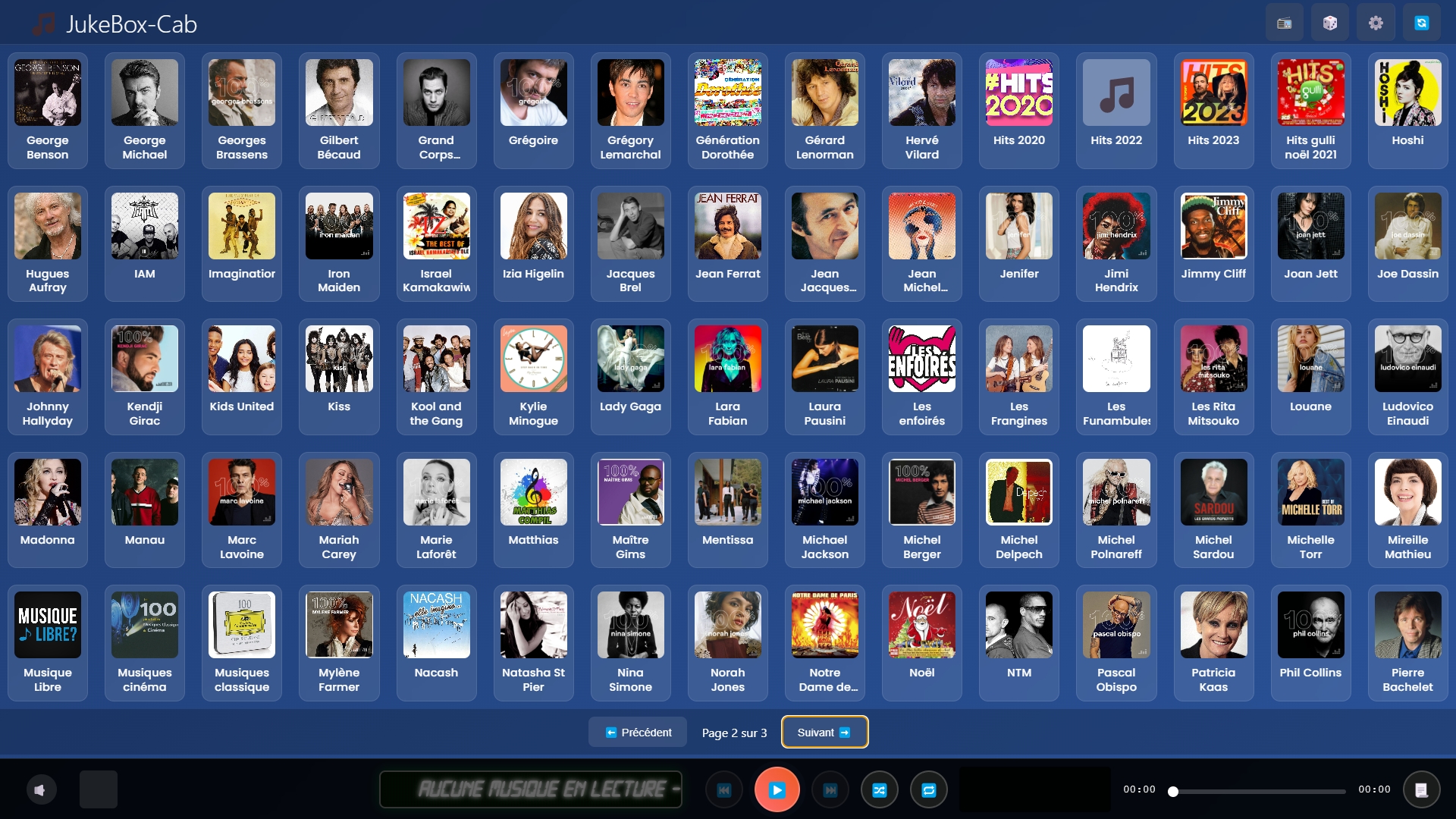
Transformez votre PC en jukebox professionnel. Gérez votre bibliothèque musicale et vidéo avec une interface tactile élégante.

✅ Gratuit 🪟 Windows 📦 Version 1.12.0

JukeBox-Cab est un projet gratuit développé avec passion. Si vous appréciez ce logiciel, vous pouvez soutenir son développeur ! 💰💰💰 minna no nihongo lesson 16 fukushuu d answers
minna no nihongo lesson 16 fukushuu d answers
Scroll
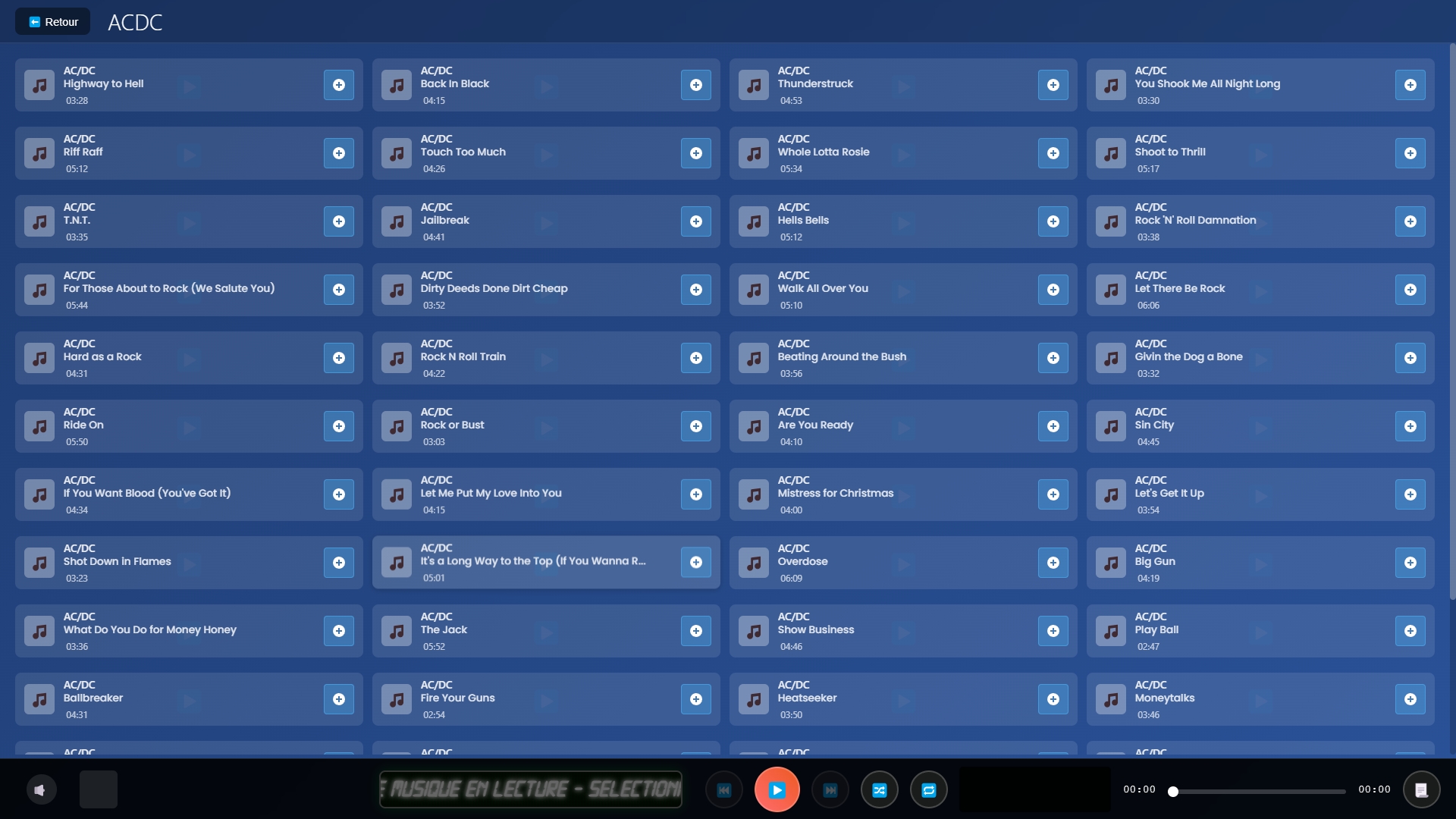
Qu'est-ce que JukeBox-Cab ?

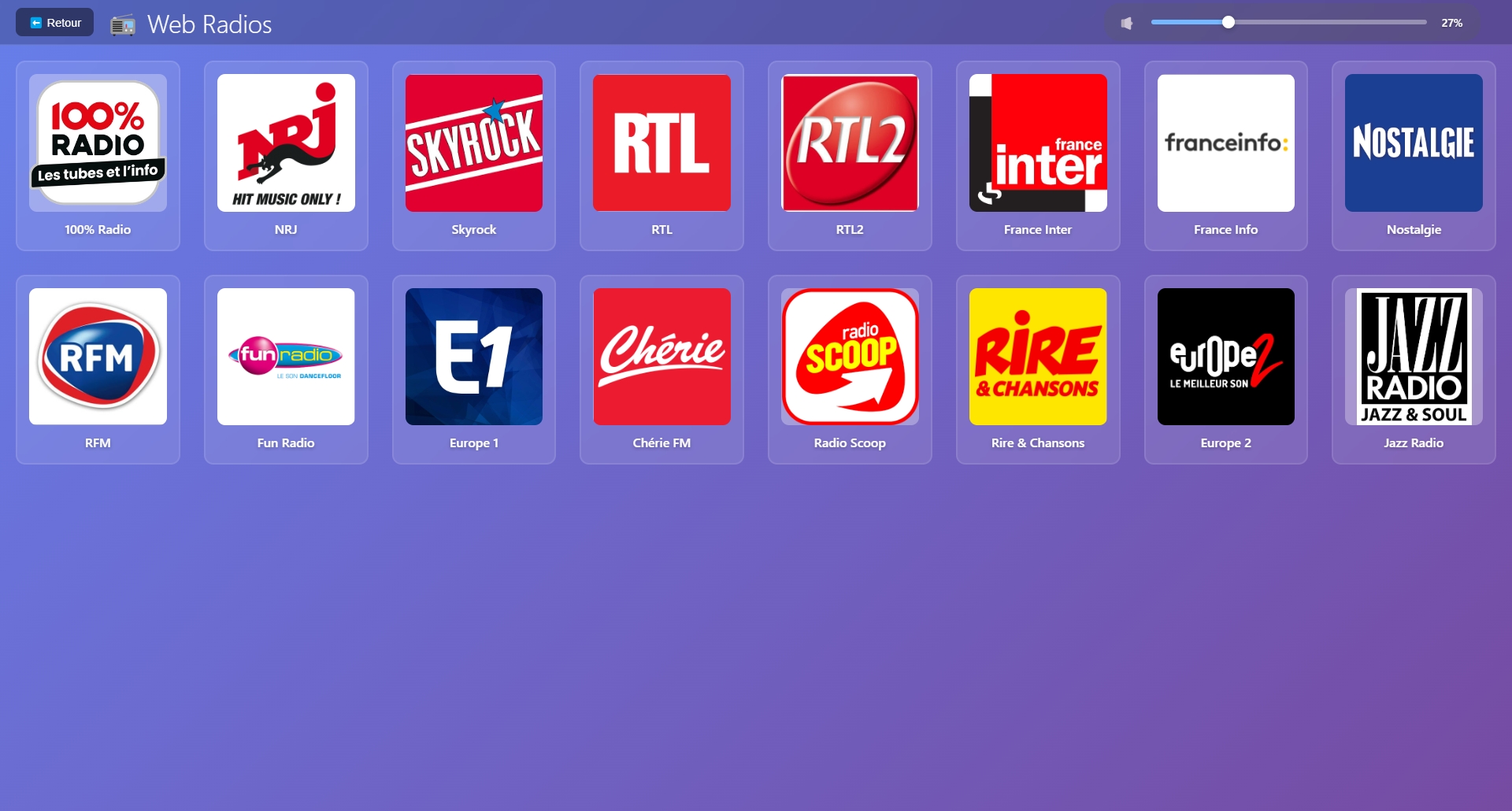
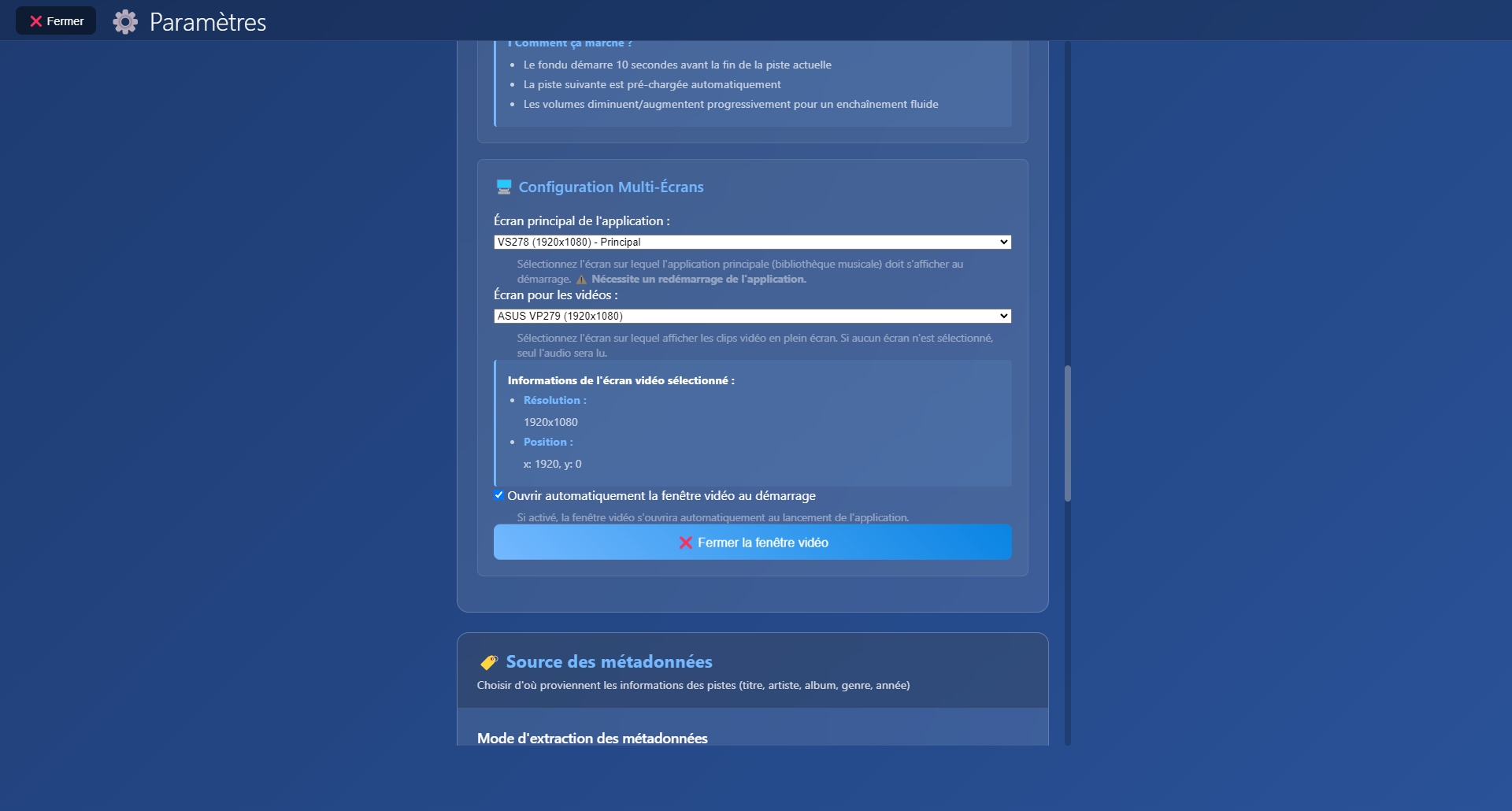
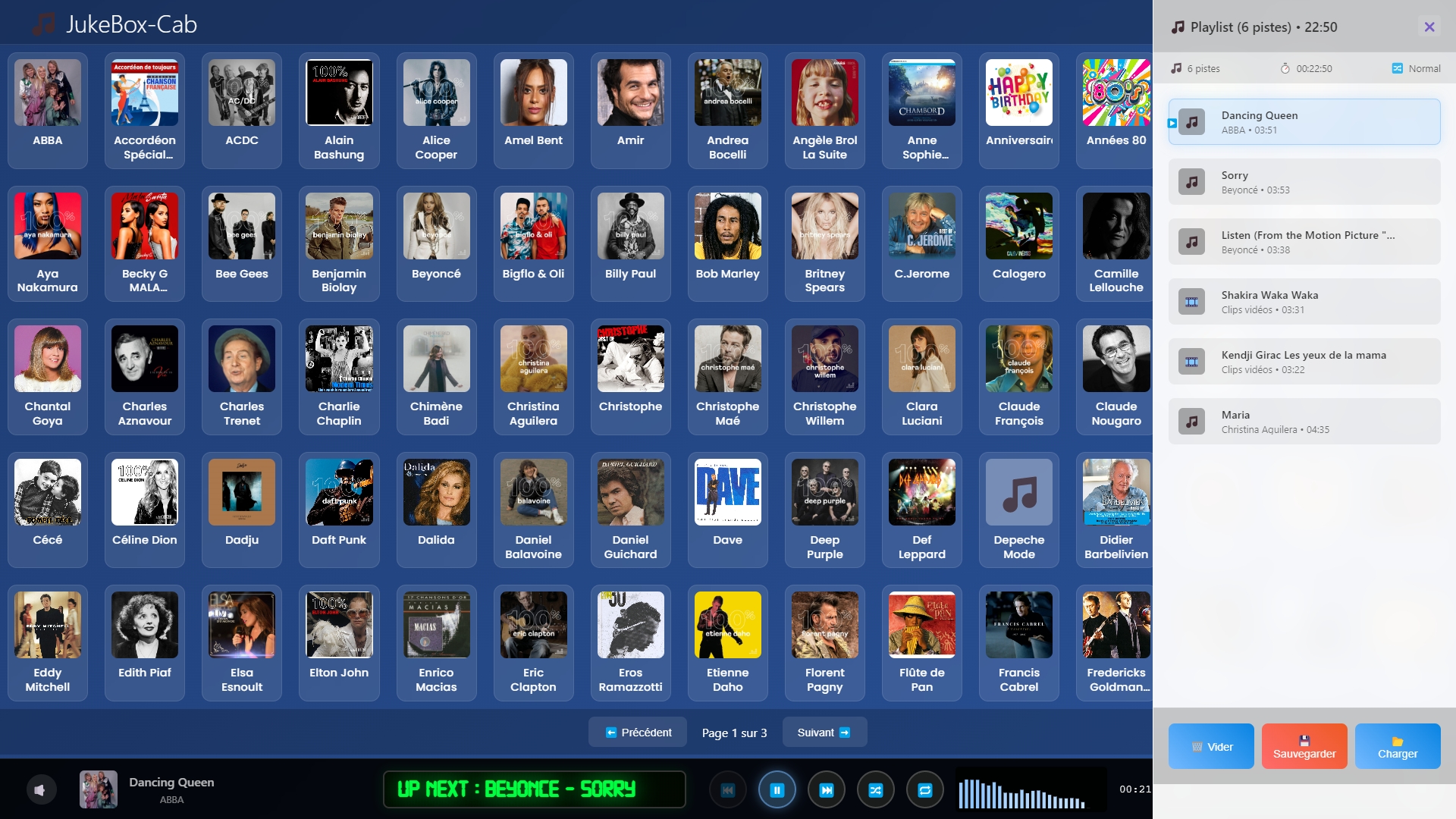
JukeBox-Cab est un logiciel de jukebox moderne conçu pour Windows, offrant une expérience tactile intuitive pour gérer et profiter de votre collection musicale et vidéo.

Que vous soyez un audiophile, un DJ amateur ou simplement un passionné de musique, JukeBox-Cab transforme votre ordinateur en une véritable station multimédia professionnelle.

🎨

Interface Élégante

Design moderne inspiré des jukeboxs vintage avec effets glassmorphism

Performance

Scanner rapide et gestion efficace de bibliothèques volumineuses

🎯

Simplicité

Navigation intuitive optimisée pour les écrans tactiles

Minna No Nihongo Lesson 16 Fukushuu D Answers

Mastering Minna no Nihongo Lesson 16 is a major milestone for Japanese learners, as it introduces the ability to string multiple actions together using the Te-form and describes people or things in detail. The Fukushuu D (Review D) section in the textbook acts as a comprehensive check for these specific grammar points.

Translation:

Part 2: Verb conjugation into Te-form + います (state & ongoing)

This section distinguishes between ongoing action and resultant state.

The review section (Fukushuu) focuses on these primary patterns: Sequential Actions ( V1cap V sub 1 V2cap V sub 2 Vncap V sub n

  • (3) あそびます (asobimasu) → あそんで (asonde)
    1. Q: What does the speaker like? A: Sushi
    2. Q: What does the speaker plan to do tomorrow? A: Eat sushi
    3. Q: What did the speaker eat at school yesterday? A: Sushi
  • (5) かえります (kaerimasu) → かえって (kaette)
    • For Te-form + iru, practice describing ongoing actions.
    • For -ba and nara, practice forming conditional sentences.
  • Mastering Minna no Nihongo Lesson 16 is a major milestone for Japanese learners, as it introduces the ability to string multiple actions together using the Te-form and describes people or things in detail. The Fukushuu D (Review D) section in the textbook acts as a comprehensive check for these specific grammar points.

    Translation:

    Part 2: Verb conjugation into Te-form + います (state & ongoing)

    This section distinguishes between ongoing action and resultant state.

    The review section (Fukushuu) focuses on these primary patterns: Sequential Actions ( V1cap V sub 1 V2cap V sub 2 Vncap V sub n

  • (3) あそびます (asobimasu) → あそんで (asonde)
    1. Q: What does the speaker like? A: Sushi
    2. Q: What does the speaker plan to do tomorrow? A: Eat sushi
    3. Q: What did the speaker eat at school yesterday? A: Sushi
  • (5) かえります (kaerimasu) → かえって (kaette)
    • For Te-form + iru, practice describing ongoing actions.
    • For -ba and nara, practice forming conditional sentences.
  • Soutenez le Projet

    JukeBox-Cab est un projet gratuit développé avec passion. Si vous appréciez ce logiciel, vous pouvez soutenir son développement !

    Votre contribution aidera à :

    • 🚀 Développer de nouvelles fonctionnalités
    • 🐛 Corriger les bugs et améliorer la stabilité
    • 📚 Créer de la documentation
    • 💡 Maintenir le projet actif
    💝

    Faire un don

    Soutenez le développement de JukeBox-Cab

    Faire un don via PayPal

    Merci pour votre générosité ! 🙏