Espiando A Marina 1992 ((hot)) -

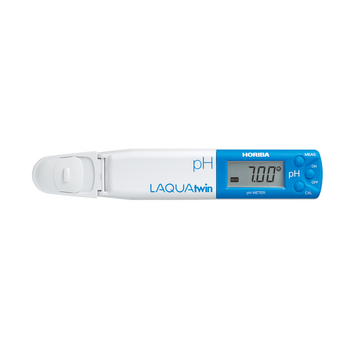
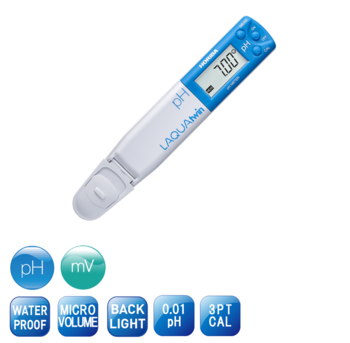
The rice used for sushi must be acidified with acetic acid (vinegar) to pH less than 4.6 to inhibit the growth of pathogenic bacteria. To measure pH, simply place a sample of rice mixture onto the flat sensor of LAQUAtwin pH meter.
 

espiando a marina 1992

espiando a marina 1992

Espiando A Marina 1992 ((hot)) -

Based on the title "Espiando a Marina" (which translates to "Spying on Marina") and the year 1992, this appears to refer to a scene or video involving the Spanish adult film actress Marina Lotar (also known as Marina Hedman).

1992: A Brief Historical Context

The phrase "Espiando a Marina 1992" translates to "Spying on Marina 1992" in English. Without further context, it's challenging to provide a detailed account of the events surrounding this phrase. However, I can offer some general information and insights that might be helpful. espiando a marina 1992

The allegations centered around a group of people who were reportedly watching and monitoring the activities of Marina's residents, particularly targeting young women and children. The rumors claimed that these individuals were using sophisticated surveillance equipment, including hidden cameras and microphones, to gather information on their targets. Based on the title "Espiando a Marina" (which

In response to the allegations, local authorities launched an investigation into the matter. The police department, led by Chief of Police, James Smith, worked tirelessly to uncover the truth behind the claims. They conducted interviews with residents, gathered evidence, and reviewed surveillance footage. However, I can offer some general information and

The Intimacy of the Gaze: Understanding Eduardo Úrculo’s "Espiando a Marina" (1992)

Espiando a Marina (Spying on Marina) is a painting created in 1992 by Eduardo Úrculo, one of Spain's most distinctive contemporary artists. Created during the peak of his mature period, the work encapsulates the themes that defined his career: voyeurism, narrative suggestion, and the interplay of light and shadow.

The town of Marina may never have all the answers, but the incident serves as a reminder of the importance of vigilance and the need for transparency in our communities.
Introduction

Rice used for sushi must have a pH of less than 4.6. At pH levels below 4.6, most pathogenic bacteria do not grow or produce toxins1. Thus, the rice must be acidified using acetic acid (vinegar) to be classified as non-hazardous. The LAQUAtwin pH pocket meter is used as quality control check to ensure that the rice is adequately acidified, before selling to consumers. This is an easy, quick check method used to abide to the ANZ Standards2 in ensuring that customers are safely consuming sushi.

Method

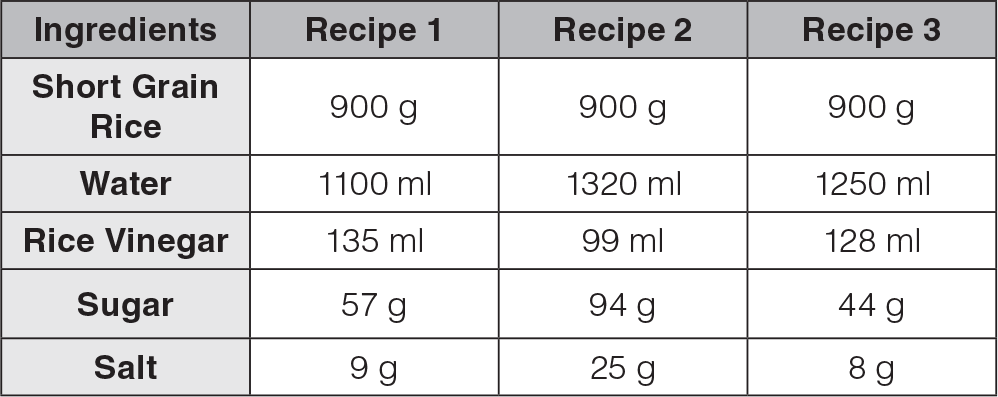
Acetic acid (vinegar) should be mixed into the rice according to the following table: 

espiando a marina 1992

A small sample of the rice mixture is placed on the flat sensor of the LAQUAtwin pH pocket meter and measured. If the measured value is above pH 4.6, add more acetic acid to the rice mixture and stir well. Place new rice sample on the sensor and repeat testing process. After tests, wash the sensor with diluted soap water and pat dry with a paper tissue.

Results and Benefits

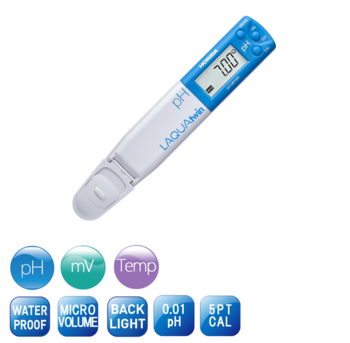
The use of accurate pH testing in controlling the quality of sushi rice prevents the growth of pathogenic bacteria and toxins. The LAQUAtwin pH pocket meter is small and compact; convenient to carry around in your pocket and is ideal for on-site testing. Its easy-to-use interface makes the LAQUAtwin pH pocket meter an indispensable tool for food testing.

References and Suggested Readings

1 Hocking, A.D; 2003. Foodborne Microorganisms of Public Health Significance, AIFST, Waterloo

2 Food Safety Guideline for Preparation and Display of Sushi, June 2007, NSW/FA/F1005/0706

Based on the title "Espiando a Marina" (which translates to "Spying on Marina") and the year 1992, this appears to refer to a scene or video involving the Spanish adult film actress Marina Lotar (also known as Marina Hedman).

1992: A Brief Historical Context

The phrase "Espiando a Marina 1992" translates to "Spying on Marina 1992" in English. Without further context, it's challenging to provide a detailed account of the events surrounding this phrase. However, I can offer some general information and insights that might be helpful.

The allegations centered around a group of people who were reportedly watching and monitoring the activities of Marina's residents, particularly targeting young women and children. The rumors claimed that these individuals were using sophisticated surveillance equipment, including hidden cameras and microphones, to gather information on their targets.

In response to the allegations, local authorities launched an investigation into the matter. The police department, led by Chief of Police, James Smith, worked tirelessly to uncover the truth behind the claims. They conducted interviews with residents, gathered evidence, and reviewed surveillance footage.

The Intimacy of the Gaze: Understanding Eduardo Úrculo’s "Espiando a Marina" (1992)

Espiando a Marina (Spying on Marina) is a painting created in 1992 by Eduardo Úrculo, one of Spain's most distinctive contemporary artists. Created during the peak of his mature period, the work encapsulates the themes that defined his career: voyeurism, narrative suggestion, and the interplay of light and shadow.

The town of Marina may never have all the answers, but the incident serves as a reminder of the importance of vigilance and the need for transparency in our communities.
Related Products

LAQUAtwin pH-33
LAQUAtwin pH-33

Pocket Water Quality Meters

LAQUAtwin pH-22
LAQUAtwin pH-22

Pocket Water Quality Meters

LAQUAtwin pH-11
LAQUAtwin pH-11

Pocket Water Quality Meters

Water & Liquid Corporate